
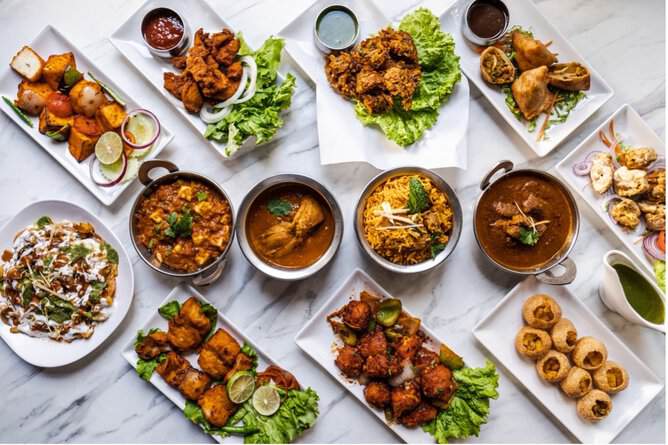
Индийската кухня не е просто „къри“ – подправки, традиции и ястията на един кулинарен континент
От ароматния biryani и хрупкавата dosa до tandoori, dal и десетките видове хляб – Индия предлага толкова различни кухни, че трудно могат да бъдат събрани под едно име.
Когато в Европа кажем „индийска храна“, често първата дума е „къри“.
Но Индия е твърде голяма и разнообразна, за да бъде сведена до една тенджера със сос и подправки.

Различните региони имат собствен климат, религии, традиции и продукти. Това означава различни видове хляб, ориз, бобови растения, меса, зеленчуци и техники.
Подправките не са просто лютивина

Една от най-големите заблуди е, че индийската кухня е просто „много люта“.
Подправките се използват за аромат, топлина, свежест, цвят и дълбочина.
Кимион, кориандър, куркума, кардамон, карамфил, канела, синапено семе и чили могат да присъстват в различни комбинации.
Много важен е и начинът, по който се обработват. Цели подправки могат да бъдат запечени или загряти в мазнина, преди към тях да се добавят останалите продукти.
Какво всъщност означава „къри“?

Думата „къри“ на Запад често се използва за огромна група ястия със сос.
В самата Индия обаче отделните рецепти имат свои имена и характер.
Dal например е общо название за множество ястия с леща и други бобови култури.
Chana masala използва нахут и ароматни подправки.
Palak paneer съчетава спанак и paneer – традиционно прясно сирене.
Всеки регион добавя собствен почерк.
Северът – хляб, тандур и богати сосове

В северните части на страната пшеничните хлебчета имат важно място.
Сред най-познатите са naan, roti и chapati.
Тук срещаме и тандура – традиционна пещ, в която могат да се приготвят както хлебчета, така и месо.
Оттам идва и прочутото tandoori chicken.
Много северноиндийски ястия са по-плътни и могат да включват млечни продукти, масло или ядки.
Югът – ориз, кокос и dosa

На юг кулинарната картина е различна.
Оризът играе огромна роля, а в редица райони се използва кокос.
Dosa е тънка ферментирала палачинка, традиционно приготвяна от ориз и бобови култури.
Друг известен специалитет е idli – меки задушени питки.
Те често се сервират със sambhar и различни chutney.
Biryani – когато оризът е празник

Biryani е сред най-обичаните ястия, свързвани с индийския субконтинент.
Ароматният ориз се комбинира с подправки, зеленчуци или месо, а различните райони имат свои варианти.
Това не е просто ориз с добавки. При доброто biryani ароматите са изградени на пластове.
Огромният свят на вегетарианската храна

Индия има изключително богата традиция на ястия без месо.
Леща, нахут, фасул, зеленчуци, ориз, млечни продукти и различни хлебчета позволяват да се създадат пълноценни и разнообразни менюта.
Това е една от причините индийската кухня да бъде толкова интересна за хората, които искат да намалят месото, без храната им да стане еднообразна.
Chutney, raita и малките добавки

Основното ястие е само част от преживяването.
На масата могат да присъстват chutney с различни вкусове, raita на основата на кисело мляко, туршии и свежи добавки.
Те охлаждат, освежават или създават контраст с подправените основни ястия.
А какво има за десерт?


Индийските сладкиши често са много различни от европейските.
Сред популярните предложения са gulab jamun – малки сладки топчета, напоени със сироп, и различни млечни десерти, ароматизирани с кардамон, шафран или ядки.
Индия не се опитва в едно ястие
Точно както няма една европейска кухня, няма и една индийска кухня.
Храната на Пенджаб не е същата като тази на Керала, Бенгал или Гуджарат. Климатът, религията, местните продукти и историята променят рецептите от регион до регион.
Затова най-добрият начин да открием индийската кухня е да забравим идеята, че всичко е „къри“.
По-добре да започнем с няколко ястия – biryani, dal, dosa, tandoori chicken и различните хлебчета – и постепенно да открием колко огромен кулинарен свят стои зад тях.
Текст: Жаклин Златанова
Снимки: Sodha Travel / Pexels.com / Shero Home Food / Munaty Cooking / Taste / Some Indian Girl
Indian Cuisine Is More Than Just “Curry” – Spices, Traditions and the Dishes of a Culinary Continent
From aromatic biryani and crispy dosa to tandoori, dal and dozens of varieties of bread, India offers so many different cuisines that it is difficult to describe them all under a single name
When we say “Indian food” in Europe, one of the first words that often comes to mind is “curry.”
But India is far too large and diverse to be reduced to a single pot of sauce and spices.
Different regions have their own climates, religions, traditions and local ingredients. This means different types of bread, rice, legumes, meat, vegetables and cooking techniques.
Spices Are About More Than Heat
One of the biggest misconceptions about Indian cuisine is that it is simply “very spicy.”
Spices are used to create aroma, warmth, freshness, colour and depth of flavour.
Cumin, coriander, turmeric, cardamom, cloves, cinnamon, mustard seeds and chilli can appear in countless different combinations.
The way spices are prepared is also important. Whole spices may be toasted or heated in oil before the other ingredients are added, helping to release their aromas and flavour the entire dish.
What Does “Curry” Actually Mean?
In the West, the word “curry” is often used to describe a huge variety of dishes served with a sauce.
In India itself, however, individual dishes have their own names, ingredients and character.
Dal, for example, is a broad term associated with numerous dishes made from lentils and other pulses.
Chana masala combines chickpeas with aromatic spices.
Palak paneer brings together spinach and paneer, a traditional fresh cheese.
And every region adds its own culinary identity.
The North – Bread, Tandoor and Rich Sauces
In northern parts of India, wheat-based breads have an important place on the table.
Among the best known are naan, roti and chapati.
This is also where we encounter the tandoor – a traditional oven used for preparing both breads and meat.
It is the cooking method behind the famous tandoori chicken.
Many North Indian dishes are rich and can include dairy products, butter or nuts.
The South – Rice, Coconut and Dosa
In southern India, the culinary landscape changes.
Rice plays a major role, while coconut is widely used in a number of regions.
Dosa is a thin, crisp fermented pancake traditionally made from rice and pulses.
Another famous speciality is idli – soft, steamed cakes.
They are often served with sambar and different types of chutney.
Biryani – When Rice Becomes a Celebration
Biryani is one of the most beloved dishes associated with the Indian subcontinent.
Aromatic rice is combined with spices, vegetables or meat, and different regions have developed their own distinctive versions.
It is much more than rice with a few ingredients mixed into it. In a good biryani, flavours and aromas are carefully built in layers.
The Enormous World of Vegetarian Food
India has an exceptionally rich tradition of meat-free dishes.
Lentils, chickpeas, beans, vegetables, rice, dairy products and different breads make it possible to create varied and satisfying meals without meat.
This is one of the reasons Indian cuisine can be particularly interesting for people who want to eat less meat without making their meals repetitive.
Chutney, Raita and the Small Additions That Matter
The main dish is only one part of the experience.
A meal may also include different types of chutney, yoghurt-based raita, pickles and fresh accompaniments.
They can cool, refresh or provide contrast to richly spiced dishes.
And What About Dessert?
Indian sweets can be very different from traditional European desserts.
Popular examples include gulab jamun – small sweet balls soaked in syrup – as well as a variety of milk-based desserts flavoured with cardamom, saffron or nuts.
You Cannot Discover India Through Just One Dish
Just as there is no single European cuisine, there is no single Indian cuisine.
The food of Punjab is not the same as the food of Kerala, Bengal or Gujarat. Climate, religion, local ingredients and history have shaped recipes differently from one region to another.
That is why one of the best ways to discover Indian cuisine is to forget the idea that everything is simply “curry.”
Instead, we can start with a few dishes – biryani, dal, dosa, tandoori chicken and the many varieties of Indian bread – and gradually discover just how vast the culinary world behind them really is.


